If you are preparing to sell a home in Tahoe City, a simple cleaning checklist is not enough. In a mountain market where buyers pay close attention to condition, access, and seasonal readiness, the work you do before listing can shape both interest and confidence. The good news is that with the right plan, you can prepare your home in a way that highlights its lifestyle appeal and reduces avoidable surprises. Let’s dive in.
Why preparation matters in Tahoe City
Tahoe City is a high-value market, but that does not mean every home sells itself. Realtor.com reports a median listing home price of $1.347 million and median days on market of 74 days, while Zillow’s home value index places the average home value at $1,212,367 as of February 28, 2026.
Those numbers point to an important reality: buyers still compare presentation, upkeep, and readiness carefully. In Tahoe City, strong preparation is about more than curb appeal. It is also about showing that your mountain home has been maintained with local conditions in mind.
Time your sale around the season
In Tahoe City, timing affects nearly every part of the selling process. Placer County’s climate profile shows 31.5 inches of annual precipitation, 190.9 inches of annual snowfall, and average winter lows around 27.5°F.
That weather has real listing implications. Late spring through early fall is often the easiest time for exterior work, landscaping, photography, and showings. If you plan to list in winter, you will want a clear strategy for snow removal, driveway access, and safe entry.
Road conditions matter too. Caltrans-related mountain access conditions referenced by Placer County climate guidance can change quickly, and chain controls may affect travel. Buyers are more comfortable touring a property when access feels straightforward and well managed.
Focus on exterior prep first
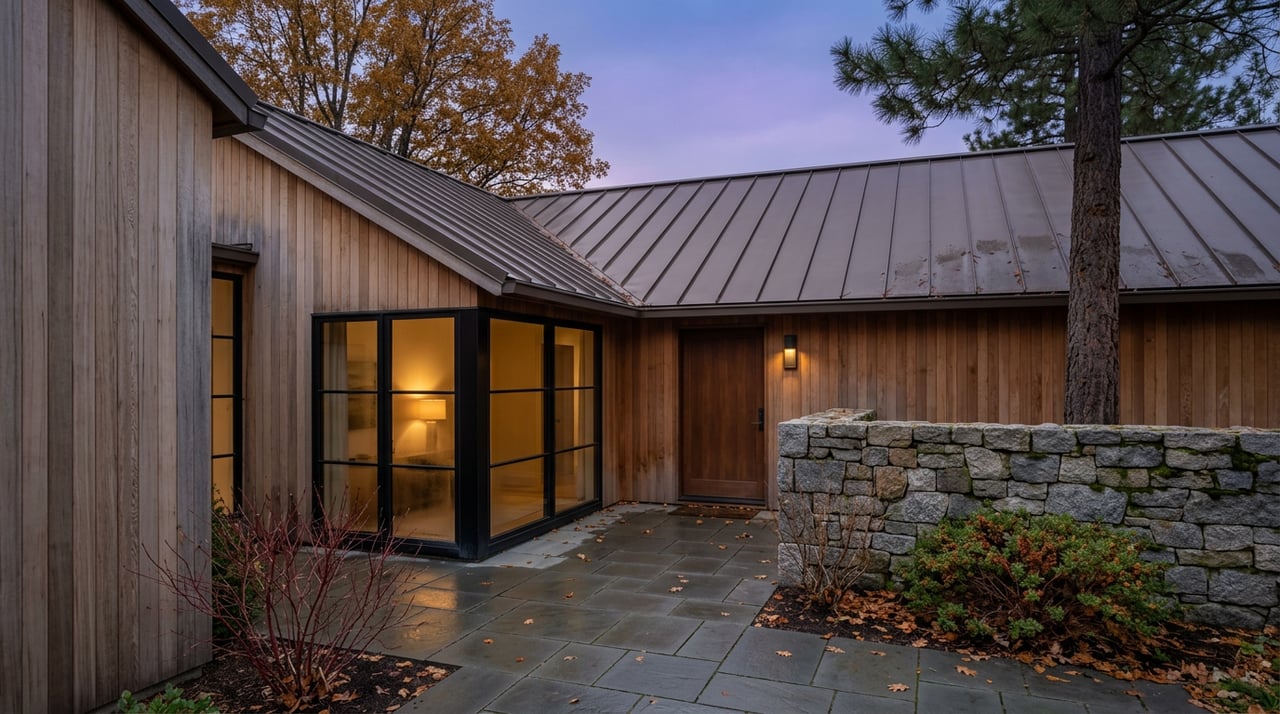
In Tahoe City, exterior prep should do two jobs at once. It should improve first impressions while also addressing the mountain-specific issues buyers notice right away.
Create defensible space
Placer County’s defensible space guidance recommends treating the area around your home in zones: Zone 0 from 0 to 5 feet, Zone 1 from 5 to 30 feet, and Zone 2 from 30 to 100 feet. The area closest to the home is the most critical and should be kept clear of debris and combustible materials, with hardscape used where appropriate.
For sellers, this is not just a maintenance task. It is part of how you present the home as cared for, safer, and easier to insure and own. Clean edges, reduced debris, and tidy decks all contribute to a stronger first impression.
Address visible home-hardening items
CAL FIRE’s home-hardening guidance highlights several items that are especially relevant in mountain markets. These include keeping roofs clear of debris, protecting vents, plugging eave gaps, repairing siding gaps or rot, reducing combustible material near decks and fences, and using noncombustible gutter covers.
These updates can improve how your home shows because buyers tend to notice deferred exterior maintenance quickly. Even when you are not completing major upgrades, taking care of the obvious items can help your home feel better maintained and more market-ready.
Plan yard cleanup around local resources
If your property needs branch or brush removal, timing can help. North Tahoe Fire’s curbside chipping program opens requests on May 1, 2026, and service begins the week of June 1, 2026.
That makes late spring a practical time to finish larger cleanup projects before going live. It is a useful local resource if you are trying to reduce visual clutter and improve defensible space at the same time.
Do not overlook snow impacts
Winter wear is part of selling in Tahoe City. Placer County’s snow-load advisory advises homeowners to safely clear snow loads before incoming rain and watch for signs of stress such as sagging, cracks, sticking doors or windows, and interior leaks.
If your home is coming to market after a heavy winter, check these areas early. A buyer may see a beautiful cabin or lake-area home, but they will also pay attention to whether the roofline looks straight, doors open properly, and the property appears ready for another season.
Stage for mountain living
Staging matters because it helps buyers picture daily life in the home. According to the National Association of Realtors’ 2025 Profile of Home Staging, 83% of buyers’ agents said staging helps buyers visualize a property as a future home, and 49% of sellers’ agents said staging reduced time on market.
In Tahoe City, staging works best when it supports both comfort and function. You are not just decorating rooms. You are helping buyers imagine an easy, enjoyable mountain lifestyle.
Prioritize the right rooms
NAR found that the living room, primary bedroom, and kitchen are the most important rooms to stage. Start there if you are deciding where to focus time and budget.
In Tahoe City homes, the living room often carries extra weight because it is where buyers notice windows, natural light, fireplaces, and gathering space. Keep those areas open and uncluttered so the room feels bright and usable.
Highlight views and light
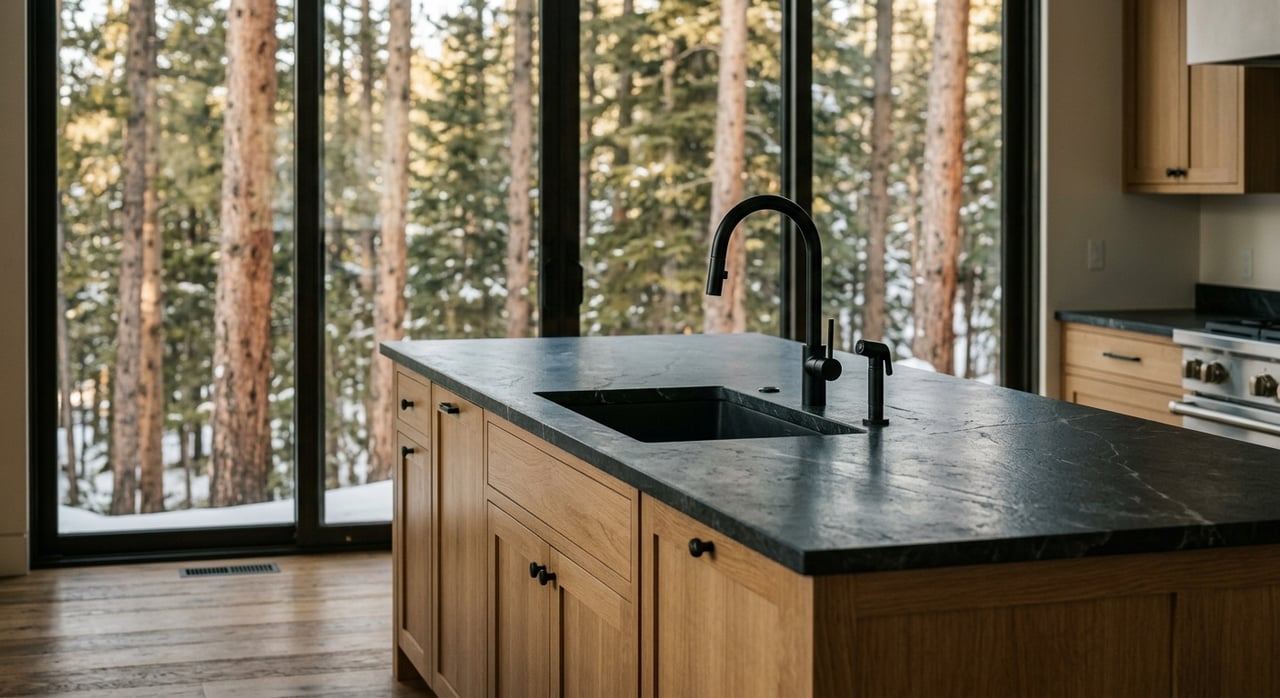
If your home has lake, forest, or filtered mountain views, make those sightlines as clear as possible. NAR’s staging guidance for lifestyle properties recommends clean, unobstructed windows and seating that helps buyers appreciate the view.
This is especially important in Tahoe City, where setting and outlook can strongly influence buyer interest. Pull attention toward the windows, not away from them.
Make storage feel easy
Mountain buyers often look at how a home handles gear, wet boots, coats, and seasonal transitions. Organized mudrooms, tidy garages, clear entryways, and neat utility or fireplace areas help the home feel practical year-round.
That kind of staging is subtle, but it matters. A home that feels easy to live in often feels more valuable than one that simply looks nice in photos.
Gather disclosures and paperwork early
One of the smartest things you can do before listing is organize your documentation well in advance. In California, the Transfer Disclosure Statement must be delivered as soon as practicable before transfer of title, and late delivery of a material disclosure can create a buyer termination right.
That is why preparation in Tahoe City should include both presentation and paperwork. A well-prepared listing packet can reduce friction once you are in contract.
Check wildfire disclosure requirements
For homes in high or very high Fire Hazard Severity Zones, California requires additional wildfire-related disclosures. The same California disclosure rules also require qualifying sellers to provide documentation of compliance with Public Resources Code 4291 or local vegetation ordinances.
If your home falls in one of these zones, gather those records early. Placer County’s defensible space and compliance resources can help you understand what applies.
Keep remodel and contractor records
If you completed work on the home, save permits, invoices, and contractor information. California now requires some sellers who accept an offer within 18 months of acquiring title to disclose contractor-performed additions, structural changes, alterations, or repairs, along with contractor names and contact information when applicable.
Even beyond the legal requirement, organized records help build trust. Buyers appreciate being able to review the history of improvements clearly.
Prepare for newer 2026 disclosures
California also added new 2026 disclosures about electrical systems and, if known, state or local restrictions on future replacement of gas appliances transferred with the property. These details may be especially relevant for older Tahoe cabins or homes with recent remodeling.
If you know your panel, wiring, or appliance history may prompt questions, it helps to address that before listing rather than after negotiations begin.
If the home was a short-term rental
If you have used the property as a short-term rental, your compliance file matters. Placer County defines short-term rentals in the North Lake Tahoe region as residential units rented for 30 days or less, and the local program includes fire-life-safety and defensible-space inspections for properties in the North Tahoe Fire District.
The county also collects a 10% transient occupancy tax on North Lake Tahoe lodging. If your home has rental history, it is wise to assemble permit records, inspection records, maintenance logs, tax records, and any defensible-space signoff before the home goes on the market.
That level of preparation is especially helpful for investor-minded buyers and second-home buyers who want to understand how the property has been operated. Clear records can make those conversations easier.
A simple pre-list timeline
Here is a practical framework for preparing to sell a home in Tahoe City.
Six to twelve months out
- Review title, permits, rental history, and remodel documentation.
- Check whether your property is in a fire hazard severity zone.
- Decide whether a pre-list inspection would be helpful.
Three to six months out
- Complete roof, gutter, vent, deck, and siding maintenance.
- Trim trees and improve defensible space.
- Use local cleanup options like the North Tahoe Fire chipping program if needed.
Thirty to ninety days out
- Deep clean and declutter.
- Stage the living room, primary bedroom, and kitchen.
- Schedule photos when access, weather, and natural light are at their best.
- Make sure snow removal or winter access will not disrupt showings.
Before going live
- Verify all California disclosures are ready.
- Gather wildfire documents, permit copies, and contractor records.
- Organize any short-term rental records that may apply.
Final thoughts
Preparing to sell a home in Tahoe City is about more than making it look good online. Buyers want to see a home that feels welcoming, well maintained, and ready for mountain living in every season. When you combine thoughtful presentation with organized disclosures and local condition-specific prep, you create a smoother path to market.
If you want experienced, detail-focused guidance on how to position your Tahoe City property for sale, connect with Wendy Poore, Realtor. Her hands-on, locally informed approach can help you prepare with clarity and confidence.
FAQs
What should you fix before selling a home in Tahoe City?
- Focus first on visible exterior maintenance, defensible space, roof and gutter cleanup, siding or vent issues, and any snow-related wear that could affect buyer confidence.
When is the best time to list a home in Tahoe City?
- Late spring through early fall is often the easiest window for exterior prep, photography, landscaping, and showings, while winter listings need a strong plan for snow removal and access.
Do Tahoe City sellers need wildfire disclosures?
- Yes, some Tahoe City homes in high or very high Fire Hazard Severity Zones have added California wildfire disclosure requirements and may also need compliance documentation tied to vegetation rules.
How should you stage a Tahoe City home for sale?
- Keep windows clean and unobstructed, reduce clutter in main gathering spaces, highlight fireplaces and views, and organize entry, garage, or mudroom areas so the home feels easy to use year-round.
What paperwork should Tahoe City sellers gather before listing?
- Start with disclosures, permits, contractor records, remodel documents, wildfire-related compliance records, and short-term rental files if the property has been rented for 30 days or less.
What matters if your Tahoe City home was a short-term rental?
- Buyers may want to review permit history, inspection records, defensible-space signoff, fire-life-safety records, and transient occupancy tax documentation if applicable.