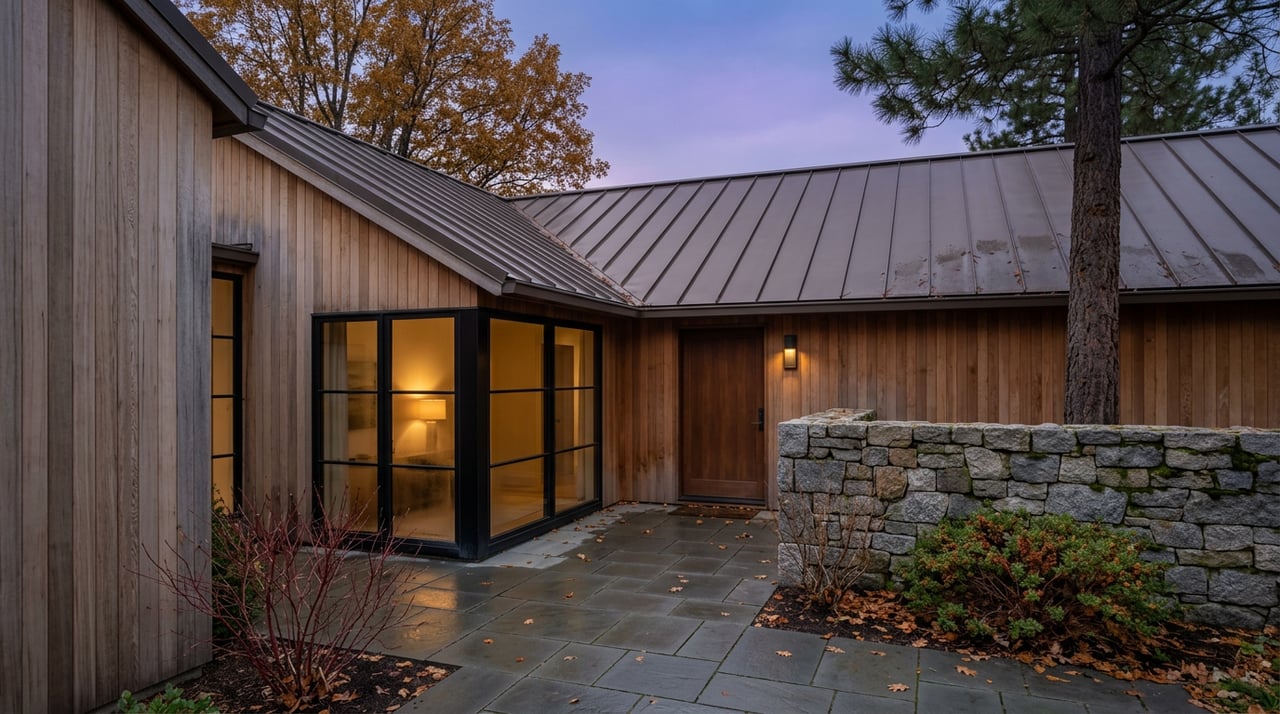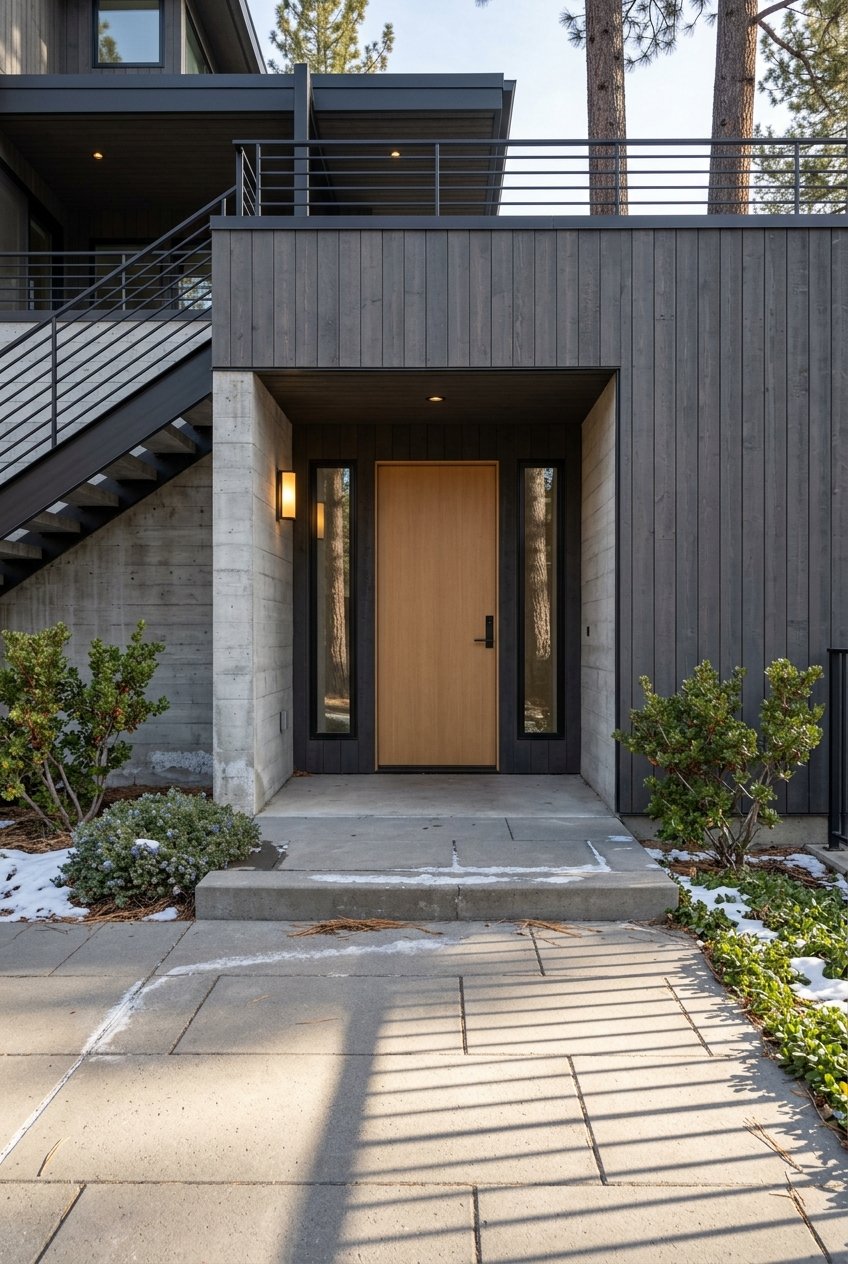
Wondering whether a condo or single-family home makes more sense in Incline Village? It is a common question, especially when you are balancing lifestyle goals, budget, maintenance, and the realities of owning property in the Tahoe Basin. The right choice often has less to do with which option is "better" and more to do with how you plan to use the property, how hands-on you want to be, and what kind of ownership experience fits your life. Let’s dive in.
Incline Village Ownership Starts With Lifestyle
In Incline Village, choosing between a condo and a home is not just about square footage. It is also about how much day-to-day responsibility you want to manage yourself.
Current listing data shows about 64 condos for sale in Incline Village at a median list price near $985,000. At the same time, Redfin reported an all-home median sale price of about $1.7 million in March 2026, and Zillow estimated the average home value at about $1.47 million. That pricing gap alone can shape your search, but it is only one part of the decision.
Incline Village also has a local ownership structure that matters. IVGID provides water, sewer, trash, and recreation services in Incline Village and Crystal Bay, and it manages local recreation assets including the golf courses and Diamond Peak Ski Resort. For buyers, that means the ownership experience here often includes thinking about services, access, and logistics in a more location-specific way than in a typical suburban market.
Why A Condo May Be The Better Fit
A condo or townhome often works well if you want a more streamlined ownership experience. Many communities are designed to reduce the number of tasks you handle directly.
In some Incline Village communities, the HOA handles common-area maintenance, trash collection, and snow removal along private roads. That can be especially appealing if you are buying a second home, want easier winter ownership, or simply prefer fewer moving parts.
A condo may be the better fit for you if you want:
- A lock-and-leave property
- Less exterior maintenance
- Simpler snow-season logistics
- Lower entry pricing than many single-family homes
- Shared management of common areas and amenities
That convenience does come with trade-offs. Condo and townhome ownership usually means monthly dues, community rules, and shared financial responsibility for common elements.
What Condo Buyers Need To Review
In Nevada common-interest communities, HOA due diligence is a major part of the buying process. It should never be treated like a box to check at the end.
Nevada law requires associations to maintain reserve studies at least every five years, with annual review and funding adjustments. Buyers should also expect disclosure documents early in the transaction, typically through a public offering statement or a resale package.
Before you commit to a condo or townhome, ask clear questions such as:
- What do the dues cover?
- How much money is in reserves?
- When was the last reserve study completed?
- Are there pending special assessments?
- Is there deferred maintenance?
- Is there any HOA litigation?
- Are rentals allowed, and are there minimum lease terms?
These details affect your monthly cost, future risk, and how flexible the property will be over time. In a condo purchase, the unit matters, but the project matters too.
Why A Single-Family Home May Be The Better Fit
A single-family home usually appeals to buyers who want more control. You may want more privacy, more outdoor space, more storage, or more freedom to personalize the property.
That extra flexibility is often the biggest advantage of a home in Incline Village. If you are thinking long term, want room for gear and guests, or expect to remodel over time, a house may align better with your goals.
A single-family home may be the better fit for you if you want:
- More privacy
- More yard or outdoor space
- More storage and separation of space
- Greater remodeling flexibility
- Fewer shared rules and decisions
The trade-off is responsibility. In most cases, more of the upkeep stays with you unless a separate HOA provides limited shared services.
Homeownership In Tahoe Comes With More Upkeep
In the Tahoe Basin, owning a home often means more than basic maintenance. It can also involve permitting, planning review, and wildfire-related property management.
Many projects require Tahoe Regional Planning Agency review along with a local building permit. The North Lake Tahoe Fire Protection District also requires a defensible-space evaluation for building permits within the district.
That matters if you are considering updates, additions, or other improvements. The appeal of a house is often space and control, but that control usually comes with more time, more coordination, and more ongoing responsibility.
Wildfire Planning Matters In Incline Village
Wildfire planning should be part of your decision from the beginning, not an afterthought. In this part of Tahoe, defensible space is an important ownership consideration.
Local fire-planning sources emphasize defensible space as a homeowner responsibility. If you are buying a house, you should be prepared to budget for landscape management, fuel reduction, and ongoing compliance.
In a condo setting, that burden may be lighter if the HOA manages common grounds. Still, you should confirm exactly what the HOA handles and what remains your responsibility.
Rentals: County Rules And HOA Rules Are Separate
If you are hoping to rent the property part time, this is one of the most important decision points. In Incline Village, county approval and HOA approval are not the same thing.
Washoe County requires a short-term rental permit before advertising or renting a private residence, apartment, or condominium for fewer than 28 days. Within the Tahoe Basin, the North Lake Tahoe Fire Protection District conducts defensible-space inspections for short-term rental applications.
Washoe County also states that it is not a party to private CC&Rs. In practical terms, a property may meet county permit rules and still be restricted by HOA rules.
Washoe County further notes that ADUs in the Tahoe planning area cannot be used as short-term rentals. If rental income is part of your plan, verify the county rules and the HOA rules before you buy, not after.
Property Taxes Depend On How You Use It
How you plan to use the property can also affect your property tax path. This is especially important for primary residents, second-home buyers, and investor-minded buyers comparing ownership options.
Washoe County says assessed value is 35% of taxable value. The county also says owner-occupied homes, including single-family homes, condos, and townhouses, may qualify for the 3% tax cap, while other properties generally fall under the higher cap, up to 8%.
The county further advises owners to notify the Assessor if a property is no longer used as a single-family residence or primary residence. That means your intended use should be clarified before closing so there are no surprises later.
Condo Financing Can Add Another Layer
If you are financing a condo, the project itself can influence your loan process. This is one reason condo buyers should talk with a lender early.
Fannie Mae notes that lenders may use a Condo Project Questionnaire and review project eligibility, master insurance coverage, budgets, and reserve studies. Condo projects also need a master property insurance policy covering common elements and residential structures.
So even if you love a specific unit, financing may depend on whether the larger project meets underwriting standards. That is a practical difference between condo buying and home buying that is worth addressing upfront.
A Simple Way To Decide
If you are weighing both options, it helps to move beyond price per square foot. The better question is what kind of ownership experience you want.
A condo or townhome often makes sense if you want easier upkeep, predictable day-to-day ownership, and a more lock-and-leave setup. A single-family home often makes sense if you want more privacy, more space, and greater flexibility to modify the property over time.
Here is a simple comparison:
| If you value this most | Condo or Townhome | Single-Family Home |
|---|---|---|
| Lower day-to-day maintenance | Often a stronger fit | Usually more owner-managed |
| Privacy and separation | More limited | Often a stronger fit |
| Remodeling flexibility | Usually more restricted | Often a stronger fit |
| Winter convenience | Often a stronger fit | Depends on owner planning |
| HOA involvement | Higher | Lower, unless separate HOA applies |
| Rental rule complexity | County plus HOA review | County review, plus any HOA if applicable |
Questions To Ask Before You Buy
No matter which path you are leaning toward, the best decision usually comes from asking the right questions early.
Consider discussing these with your advisor, lender, tax professional, and any planning or building professionals involved:
- What level of maintenance do you actually want to manage?
- If buying a condo, what do the dues cover and how healthy are the reserves?
- Are there any special assessments, deferred maintenance issues, or litigation concerns?
- If financing a condo, is the project eligible with your lender?
- Will you use the property as a primary home, second home, or rental?
- How could that use affect your tax cap status in Washoe County?
- If you plan to remodel, what approvals may be required through TRPA, local permitting, fire district review, or the HOA?
- If you plan to rent, are short-term rentals allowed by both the county and the HOA?
In a market like Incline Village, these questions can save you time, money, and frustration.
Choosing between a condo and a home in Incline Village is really about matching the property to your lifestyle, budget, and long-term plans. With the right guidance, you can sort through HOA details, rental rules, ownership costs, and future flexibility in a way that feels clear and manageable. If you want a steady, detail-oriented approach to buying in Incline Village or anywhere around Lake Tahoe, Wendy Poore, Realtor is here to help you think through the options and move forward with confidence.
FAQs
What is the main difference between buying a condo or home in Incline Village?
- A condo usually offers less day-to-day maintenance and more shared management, while a single-family home usually offers more privacy, space, and control with more direct owner responsibility.
What should condo buyers review in an Incline Village HOA?
- You should review what dues cover, reserve funding, the timing of the last reserve study, any special assessments, deferred maintenance, litigation, and rental restrictions.
Are short-term rentals allowed for condos and homes in Incline Village?
- Washoe County requires a short-term rental permit for rentals under 28 days, but HOA rules may be stricter, so both sets of rules need to be verified separately.
How does wildfire planning affect homeownership in Incline Village?
- Buyers of single-family homes should expect defensible-space responsibilities and possible related costs, while condo owners should confirm whether the HOA manages common-ground wildfire maintenance.
Can property taxes differ based on how an Incline Village property is used?
- Yes. Washoe County says owner-occupied homes, including condos and single-family homes, may qualify for the 3% tax cap, while other properties generally fall under a higher cap, up to 8%.
Why is condo financing different from financing a home in Incline Village?
- Condo financing may require lender review of the entire project, including insurance, reserves, budgets, and project eligibility, not just the individual unit.