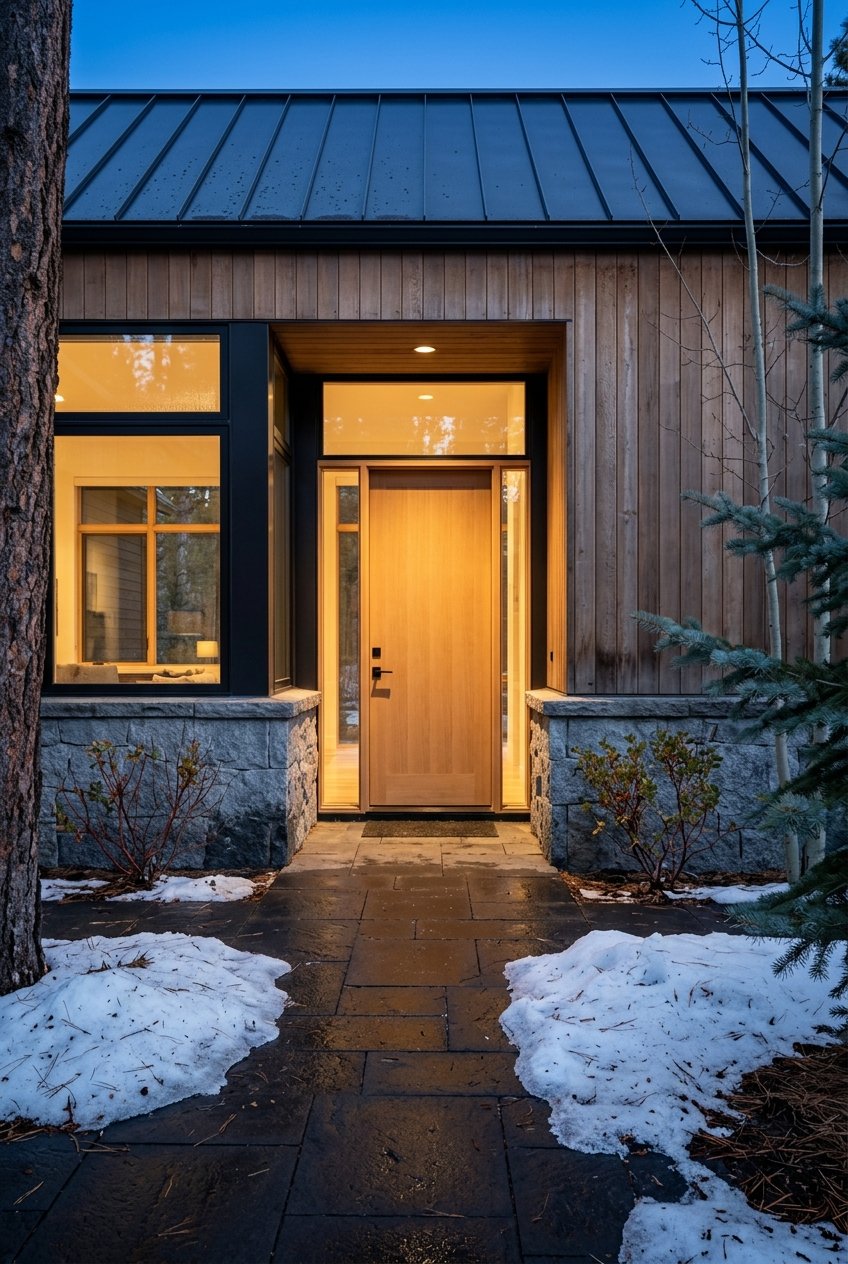
What does it really feel like to own a home in Tahoe City through every season? If you are thinking about buying here, or you already own property and want to make the most of it, the answer goes far beyond postcard views. Tahoe City offers a true four-season lifestyle, and understanding that rhythm can help you choose the right home, prepare for the practical details, and enjoy the area with more confidence. Let’s dive in.
Tahoe City Changes With the Calendar
Tahoe City is one of those places where the seasons genuinely shape daily life. Placer County describes North Lake Tahoe as a region centered around trails, beaches, forests, and lake access, while the Tahoe City Downtown Association describes Tahoe City as a ski town in winter and a lake town in summer.
That seasonal shift is not just a vibe. NOAA climate normals for Tahoe City, measured at 6,230 feet, show about 33.28 inches of annual precipitation and 179 inches of annual snowfall. Summers are very dry, while most snowfall arrives from November through April.
For you as a homeowner, that means your routines, weekend plans, and even household prep can look very different depending on the month. In July and August, average highs are around 78 and 77 degrees. In December through February, daytime highs are generally in the 30s and low 40s, with frequent snow.
Winter Life in Tahoe City
Snow Becomes Part of Your Routine
Winter in Tahoe City is not something happening in the background. It becomes part of how you move through the day, how you plan errands, and how you use your home. If you enjoy snow-focused living, that can be a big part of the appeal.
Tahoe XC sits about 2 miles northeast of Tahoe City and offers more than 50 kilometers of groomed cross-country ski and snowshoe trails. Closer to town, the Tahoe City Winter Sports Park offers sledding, cross-country skiing, snowshoeing, and ice skating.
Tahoe City also works well as a home base for downhill ski days. The Tahoe City Downtown Association notes that town is a short drive from Lake Tahoe’s major ski resorts, which gives homeowners flexibility when conditions are good and you want easy access to winter recreation.
Trails Still Matter in Winter
One of the practical advantages of living in Tahoe City is that outdoor access does not fully shut down when snow arrives. TCPUD clears snow from 16 of its 23 trail miles when snowfall reaches about 3 inches.
That matters because winter life is not just about resort days. Depending on conditions, you may still be able to walk, snowshoe, or access Nordic terrain without giving up your usual connection to the outdoors.
What Winter Means for Homeowners
Owning in Tahoe City means being comfortable with a snow-first routine. That can include winterization, snow prep, and allowing extra time for everyday tasks during storm cycles.
For many buyers, this is part of the charm. Still, it helps to go in with realistic expectations. The right property for you may depend not only on style and location, but also on how prepared you want to be for seasonal maintenance and access.
Summer Life in Tahoe City
Lake Access Drives Daily Life
Summer is when Tahoe City becomes especially social and active. Commons Beach is a downtown park and beach of more than four acres where people gather for swimming, sunbathing, and picnics.
It also hosts free Sunday afternoon concerts and a Thursday morning farmers market during the summer. For homeowners, that means warm-weather living often feels centered on easy access to the lake and downtown amenities.
TCPUD also lists practical features at Commons Beach, including kayak and stand-up paddleboard storage and rentals, playgrounds, heated bathrooms, and a bike repair station. These details may sound small, but they can shape how often you actually use the area during busy summer months.
Downtown Feels Walkable and Active
Tahoe City’s downtown is compact enough to support a shop-and-stroll lifestyle. The Tahoe City Downtown Association describes it as a small-town shopping district with seasonal goods and equipment rentals.
In just a few blocks, you can find coffee shops, cafes, grab-and-go options, and sit-down dining. If you value being able to park the car and spend part of the day on foot, that is a meaningful part of the Tahoe City experience.
Boating Takes Planning
If your ideal Tahoe summer includes time on the water, it helps to understand the logistics. The Lake Forest Boat Ramp is about 1.5 miles east of Tahoe City and is open year-round, but summer boating season brings heavy use and limited parking.
TCPUD also requires TRPA inspections for motorized watercraft before launching. Non-motorized users are asked to keep gear clean, drained, and dry to help protect Lake Tahoe from aquatic invasive species.
For homeowners, the takeaway is simple: lake access is very real, but it works best when you plan ahead. Summer ownership often means balancing convenience, rules, and peak-season crowds.
Spring and Fall Feel Different
Shoulder Seasons Are Calmer
Spring and fall often feel quieter and more local than the high-energy summer and winter months. The most visible recreation programming in Tahoe City is concentrated around lake use in summer and snow sports in winter, even though TCPUD maintains events across the year.
If you like a slower pace, these shoulder seasons can be especially appealing. You may find it easier to enjoy town amenities, move through daily errands, and experience Tahoe City without peak-season intensity.
Everyday Anchors Still Matter
Even outside the busiest months, Tahoe City has year-round resources that support daily life. Placer County notes that the Tahoe City Library offers Wi-Fi, workstations, a gas fireplace, and bike parking.
Transit access is also part of the picture. The county highlights TART and TART Connect, along with free transit and parking-management efforts across North Lake Tahoe.
That does not mean you will never need a car, but it does show that Tahoe City offers more than just seasonal recreation. For some homeowners, those everyday anchors are what make year-round ownership feel more practical.
What Homeowners Should Plan For
Snow, Fire Awareness, and Seasonal Rules
Tahoe City offers a strong lifestyle, but it rewards preparation. Snowfall is a major part of winter, and that affects how you maintain and use your property.
Summer brings a different kind of awareness. Commons Beach notes that Tahoe is a high wildfire danger area and that fire restrictions may be imposed without notice. That is an important part of seasonal living in the area.
Parking and Peak Crowds
In popular months, access can require patience. Boat launch areas can be busy, parking can be limited, and downtown activity rises when the weather is at its best or fresh snow is drawing visitors.
That does not make Tahoe City less appealing. It simply means the homeowner experience works best when you understand the seasonal rhythm and choose a property that matches how you plan to live here.
Why This Matters When Buying a Home
A home in Tahoe City is not just about square footage or finishes. It is also about how you want to spend your time in January, July, and the quieter months in between.
Some buyers want to be close to downtown so they can walk to coffee, events, and the beach. Others prioritize easier access to trails, winter recreation, or practical lake-use logistics. Investor-minded buyers and second-home owners may also want to think carefully about maintenance planning and seasonal use patterns.
This is where local guidance matters. When you understand how Tahoe City lives across the full year, you can make a better decision about location, property type, and what ownership will really feel like over time.
If you are exploring Tahoe City as a primary home, second home, or investment, working with an advisor who understands the area’s seasonal patterns can help you buy with more clarity. To talk through neighborhoods, property types, and what fits your goals, connect with Wendy Poore, Realtor.
FAQs
Is Tahoe City active year-round for homeowners?
- Yes. Winter centers on snow sports and snowy routines, summer focuses on lake access and downtown activity, and spring and fall tend to feel calmer.
What is winter like for Tahoe City homeowners?
- Winter usually means frequent snow, colder daytime temperatures, and a snow-first routine that can include winterization, snow prep, and easy access to cross-country skiing, snowshoeing, and nearby ski resorts.
What is summer like for Tahoe City homeowners?
- Summer is typically the busiest season, with beach use, concerts, farmers markets, boating, walkable downtown activity, and warm daytime highs in the upper 70s.
What practical issues should Tahoe City homeowners expect?
- You should be prepared for snow management, wildfire awareness, parking limits in busy seasons, and lake-use rules such as boat inspections and clean, drained, dry requirements for non-motorized gear.
Can you get around Tahoe City without driving everywhere?
- In some areas, yes. Downtown is compact and walkable, and regional transit options include TART and TART Connect, though parking management is still part of daily life in peak seasons.