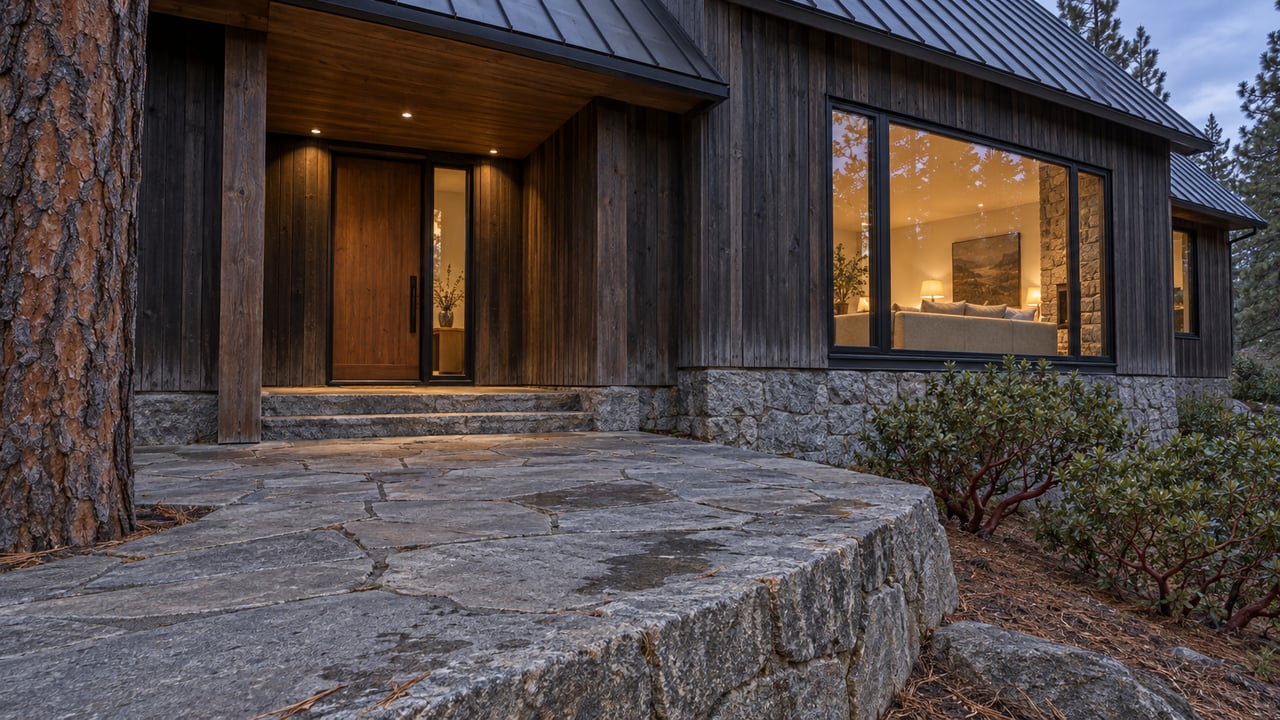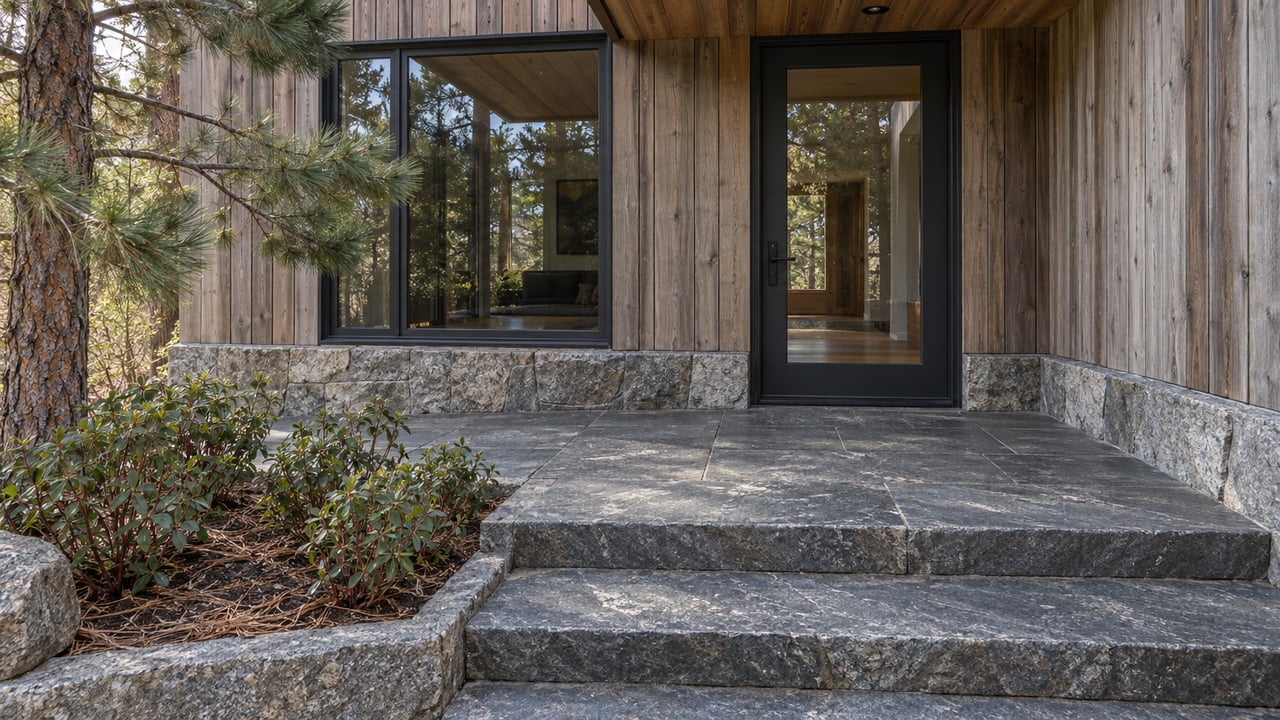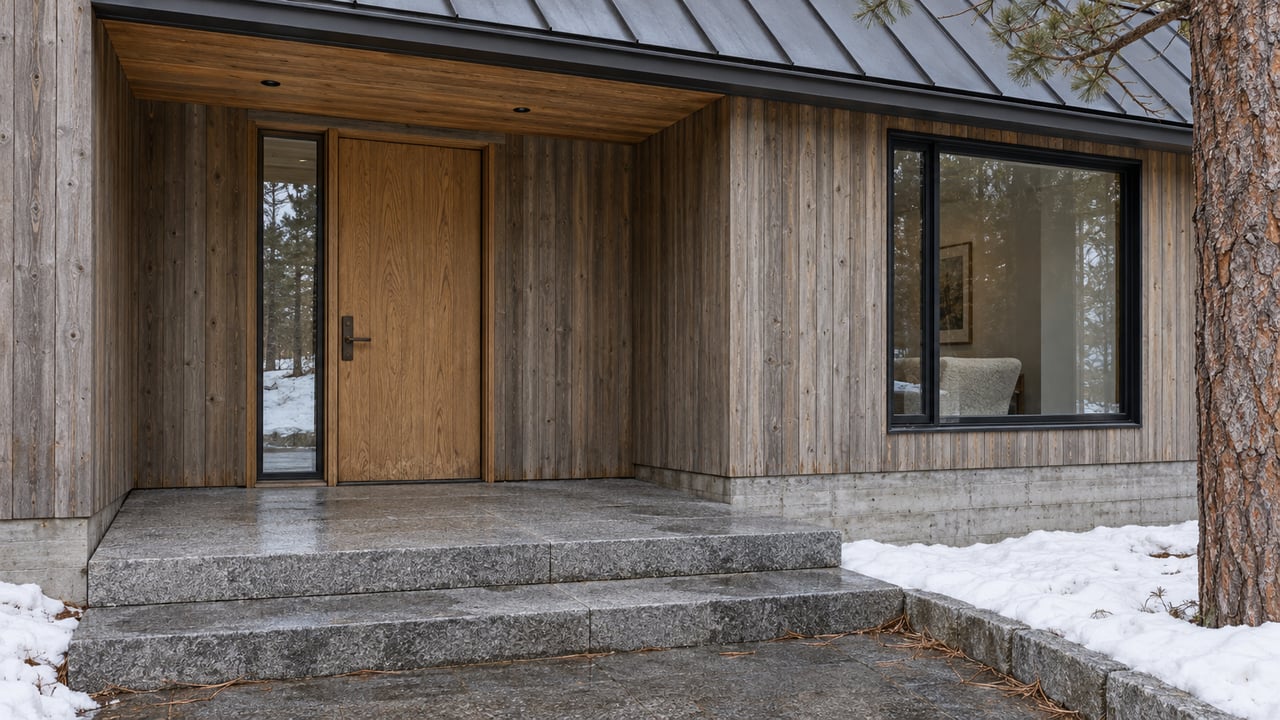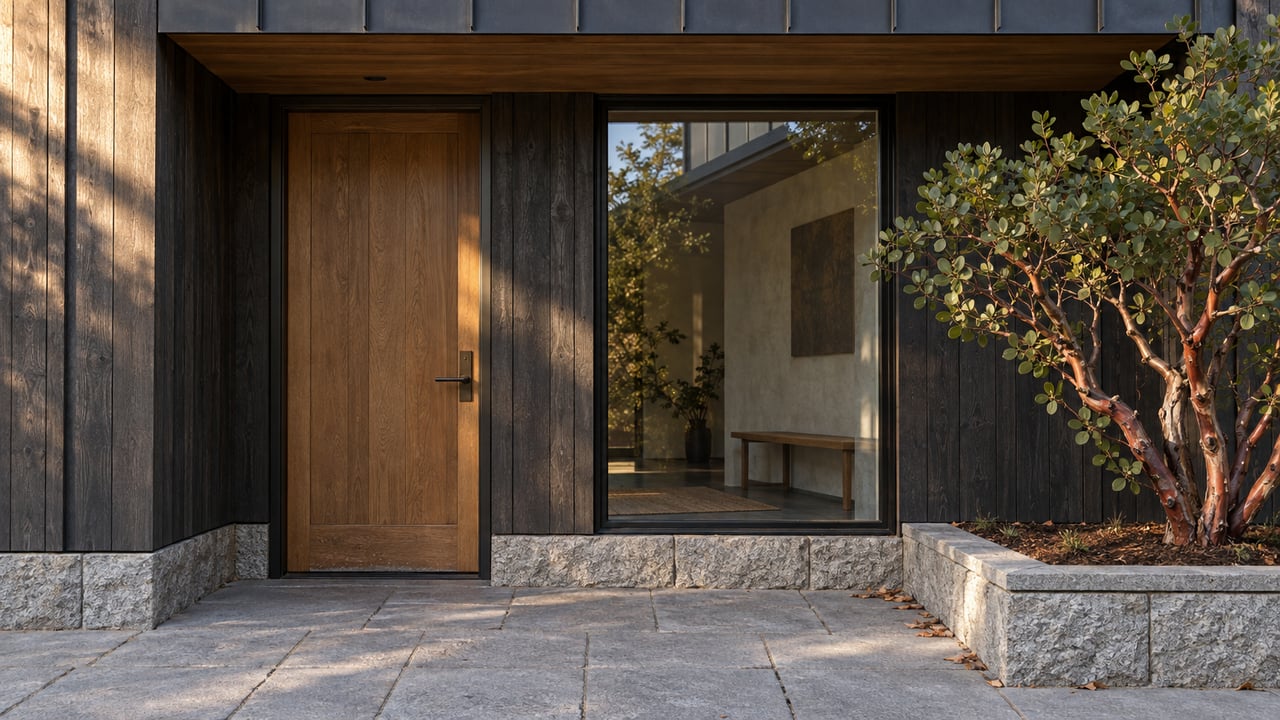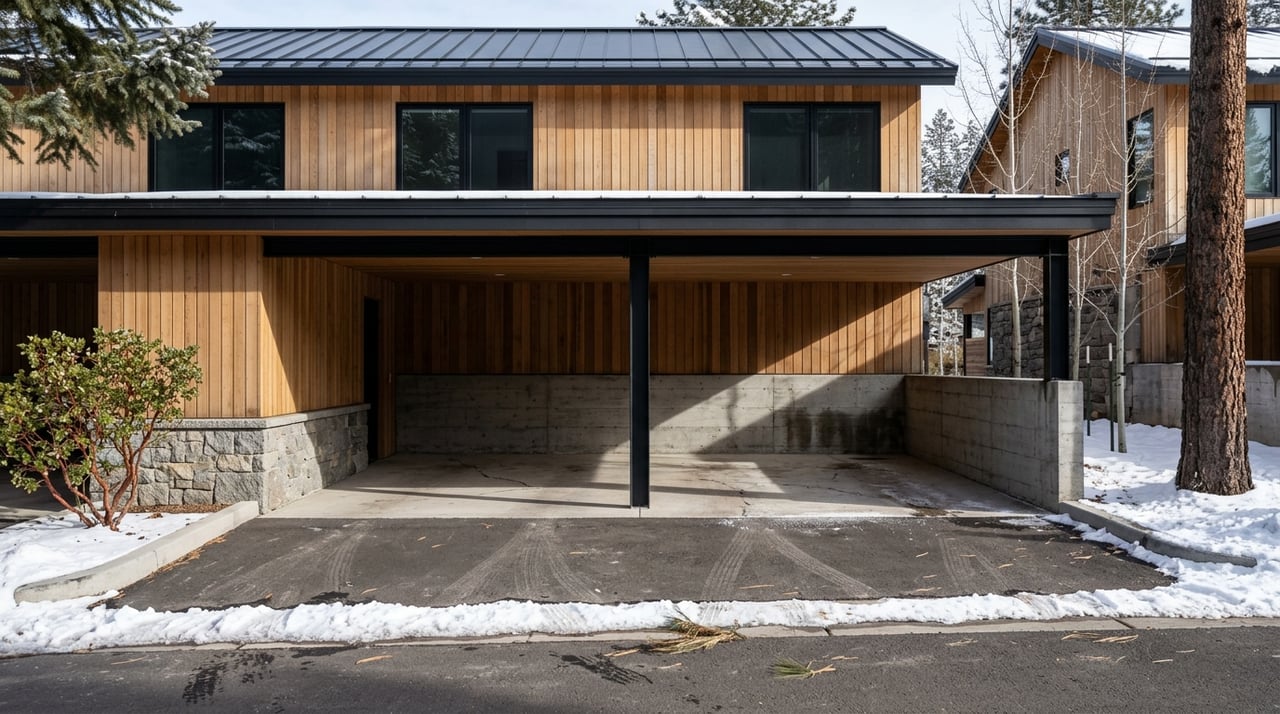
Buying in Tahoe City is rarely just about square footage. You are often deciding between two very different ownership experiences: a condo or townhome that may simplify day-to-day upkeep, or a detached home that can offer more privacy, storage, and control. If you are weighing both, this guide will help you compare the tradeoffs that matter most in Tahoe City so you can choose with more clarity and less guesswork. Let’s dive in.
Tahoe City Real Estate Has a Distinct Shape
Tahoe City has a development pattern that can influence your search right away. Placer County notes that commercial and tourist-accommodation uses are concentrated along the state highways, while public improvements have focused on the Town Center, lakefront trail, Commons Beach, and park amenities.
In the broader Tahoe Basin plan area, about 88% of residential land is single-family, with only a small share in duplex and multi-family use. In practical terms, that means detached homes make up most of the residential landscape, while condos and townhomes tend to be a smaller slice of the market.
Tahoe City also has a strong second-home profile. Placer County reports that more than half of residences in North Lake Tahoe are used on a seasonal, recreational, or occasional basis, with absentee ownership common. That can shape everything from maintenance priorities to rental questions to how important a lock-and-leave setup feels for you.
Condo vs. Home Starts With Ownership
Before you compare layouts and finishes, it helps to understand what you are actually buying. In California, subdivision type is based on ownership rights, not just how the property looks.
That means a property that looks like a detached house can still be part of a planned development or condominium structure. The legal setup matters because it affects maintenance, rules, dues, and what parts of the property you own outright.
What you usually own in a single-family home
In a standard subdivision, you usually own the lot or parcel exclusively. That often gives you more direct control over the building, the land, and site features like driveways or outdoor areas.
For many buyers, that control is a major benefit. It can also mean more personal responsibility for repairs, snow removal, and long-term upkeep.
What you usually own in a condo
In a condominium, you own a separate unit plus a share of the common area. You also become a member of the homeowners association automatically.
The California Department of Real Estate notes that common area and exclusive-use common area may include items such as parking spaces, patios, balconies, and driveways. That is why it is important to confirm exactly what is deeded, assigned, or shared before you buy.
Maintenance Is a Big Tahoe City Decision
In many markets, maintenance is a budget issue. In Tahoe City, it is also a lifestyle issue.
NOAA climate normals for Tahoe City show average annual snowfall of about 179 inches at 6,230 feet elevation. With that much snow, details like plowing, roof access, entry conditions, and winter arrivals can have a real impact on how easy a property is to own and use.
Why condos appeal to many second-home buyers
A condo or townhome can be appealing if you want a more centralized maintenance model. In many common-interest developments, the HOA handles exterior maintenance and common areas, which may reduce the number of moving parts you manage personally.
That can be especially attractive if you plan to use the property on weekends, holidays, or seasonally. A more lock-and-leave setup often fits buyers who want Tahoe access without taking on every exterior task themselves.
Why single-family homes appeal to full-time and hands-on buyers
A detached home often gives you more privacy, storage, and flexibility. If you want more room for gear, a larger site, or a stronger sense of separation from neighbors, a single-family home may feel like a better fit.
The tradeoff is that you usually carry more direct responsibility for the property. In Tahoe City, that can include snow management, roof and site upkeep, and planning for winter access throughout the season.
HOA Dues Matter, but So Do Reserves
When you compare a condo to a house, monthly dues are only part of the cost picture. HOA dues are typically paid directly to the HOA, not through your mortgage servicer, and they can materially change your monthly carrying costs.
The California Department of Real Estate explains that HOA budgets often include fixed costs, operating costs, reserves, administration, and contingency. So if one property looks less expensive at first glance, you still need to understand what the dues cover and whether the association is financially prepared for future repairs.
Why reserve funding deserves a close look
Reserves are meant to help cover major maintenance and replacement items such as roofing, paving, and lighting. Well-funded reserves can reduce the risk of surprise costs landing on owners all at once.
That does not mean every HOA is the same. Before buying in a condo or townhome community, review the governing documents, budget information, and reserve funding as carefully as you review the unit itself.
Questions to ask about the HOA
- What do the monthly dues cover?
- How well funded are the reserves?
- Are there any special assessments?
- Are there guest, pet, or occupancy rules?
- Are exterior repairs handled by the HOA or the owner?
Parking and Snow Rules Can Change the Answer
In Tahoe City, parking is not a minor detail. Placer County’s Tahoe City Mobility Project highlights parking, circulation, and pedestrian connections as ongoing local issues in and around downtown Tahoe City.
That makes parking a practical buying filter, especially for condos and townhomes. A property may look ideal online, but the day-to-day experience can feel very different if parking is limited or snow rules are restrictive.
What to verify before you commit
- How many parking spaces are assigned or deeded?
- Is there guest parking?
- Who clears snow from the spaces or driveway?
- Are there seasonal parking restrictions?
- Is there storage for skis, bikes, and other gear?
These details matter whether you plan to live there full-time or visit seasonally. In winter, a convenient setup can make ownership much easier.
Future Changes Are Often Easier in a Home
If you are thinking about future improvements, Tahoe adds another layer. The Tahoe Regional Planning Agency says land coverage includes homes, driveways, parking lots, and other impervious surfaces, and allowed coverage depends on site-specific factors such as soil type and related evaluation.
For detached homes, that can affect plans for additions, garages, new paving, or other site changes. In some cases, a Land Capability Verification is an important step in understanding what may be possible.
Why this matters in a condo or townhome
With a condo or townhome, your ability to change exterior features is often more limited. Even if a physical change seems small, HOA rules may restrict what you can alter.
If customization matters to you, a detached home may offer more flexibility, though you still need to account for Tahoe-specific coverage rules. If simplicity matters more, a condo may be the cleaner fit.
Rental Plans Need Two Levels of Review
If you hope to generate short-term rental income, Tahoe City requires careful screening before you buy. In Placer County, short-term rentals are residential units rented for 30 days or less, and operators need a valid permit, a TOT certificate, passing fire inspections, and a local contact within 35 driving miles.
The county also states that a 3,900 permit cap applies, and once that cap is reached, a 30-night minimum begins, excluding owner-occupied short-term rentals. The county further notes that approved condo-hotels are handled differently and do not require short-term rental permits.
Why HOA rules matter just as much
Even if a property seems well suited for vacation rental use, the HOA may limit or prohibit it. Governing documents can control rental rules, guest policies, parking use, and enforcement powers.
That is why investor-minded buyers should review both county rules and HOA rules before moving forward. A condo or townhome can be convenient for part-time use, but only if the governing documents support your intended use.
Which Property Type Fits Your Goals?
The right answer often comes down to how you plan to use the property. In Tahoe City, your lifestyle goals, maintenance tolerance, and rental plans should carry as much weight as finishes and views.
A condo or townhome may fit if you want
- A more lock-and-leave setup
- Less direct exterior maintenance
- A centrally managed ownership experience
- A second-home property that feels easier to use seasonally
A single-family home may fit if you want
- More privacy
- More storage and site control
- Greater flexibility for outdoor space and future changes
- A property that supports full-time living or a more hands-on ownership style
A Simple Tahoe City Buying Checklist
As you compare condos and homes in Tahoe City, keep this checklist handy:
- Confirm exactly what is deeded, assigned, or shared
- Review HOA dues, budgets, and reserve funding if applicable
- Ask about special assessments, guest rules, pet rules, and rental limits
- Verify parking, snow removal responsibility, and gear storage
- Review county short-term rental requirements if income is part of the plan
- Ask whether future site changes could be affected by TRPA land coverage rules
A smart Tahoe City purchase is usually less about choosing the "better" property type and more about choosing the ownership model that matches how you will actually use it.
If you want help sorting through condos, townhomes, and single-family options in Tahoe City, Wendy Poore, Realtor offers calm, detail-focused guidance shaped by long experience across the Tahoe market.
FAQs
What is the main difference between a condo and a home in Tahoe City?
- In general, a single-family home gives you more direct ownership of the lot and structure, while a condo typically gives you ownership of a unit plus shared interest in common areas through an HOA.
Why do HOA reserves matter when buying a Tahoe City condo?
- HOA reserves are meant to help pay for major repairs and replacement items like roofing, paving, and lighting, so reserve health can affect your future costs.
How important is snow removal when choosing a Tahoe City property?
- It is very important because Tahoe City averages about 179 inches of snow annually, making plowing, roof access, parking, and winter entry practical ownership issues.
Can a Tahoe City condo be used as a short-term rental?
- Possibly, but you need to confirm both Placer County short-term rental requirements and the HOA’s governing documents before assuming the property will work for that use.
Why should Tahoe City buyers ask about parking before buying?
- Parking can affect daily convenience, guest use, and winter access, so you should verify assigned spaces, guest parking, and snow-clearing responsibilities.
Do Tahoe City detached homes have more flexibility for future improvements?
- Often yes, but any additions, paving, garages, or other site changes may still be limited by TRPA land coverage rules and site-specific conditions.