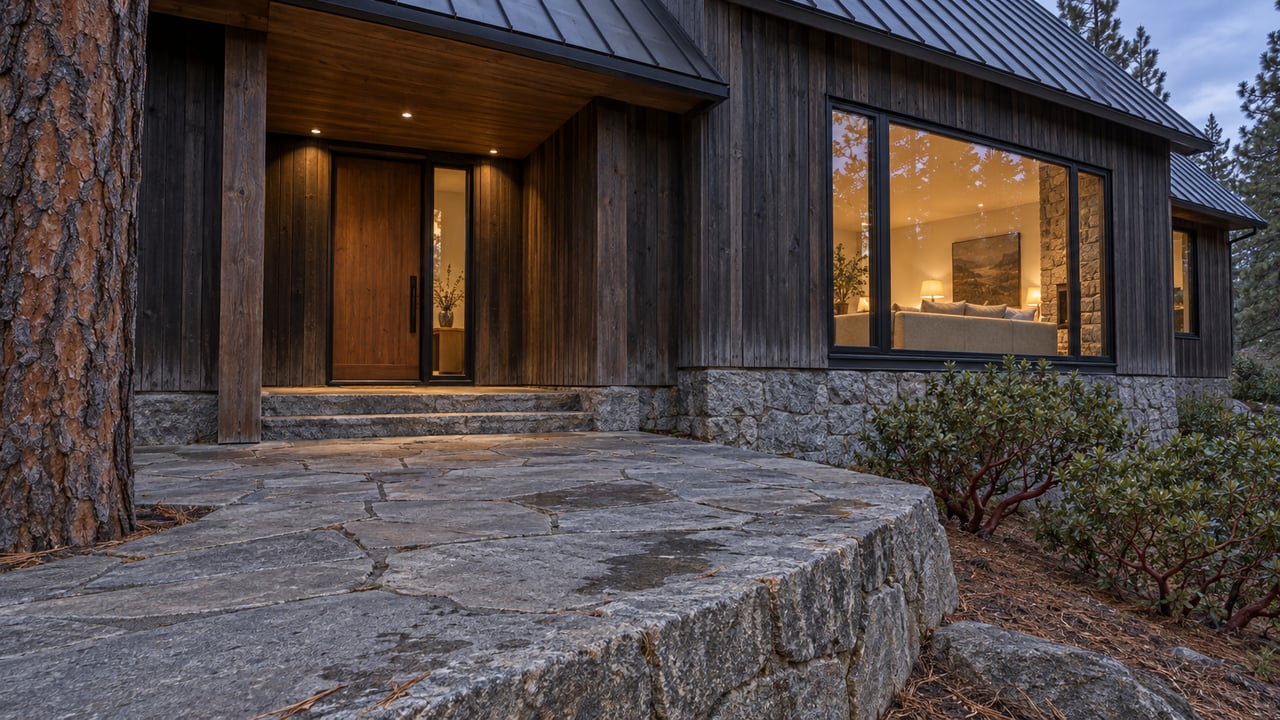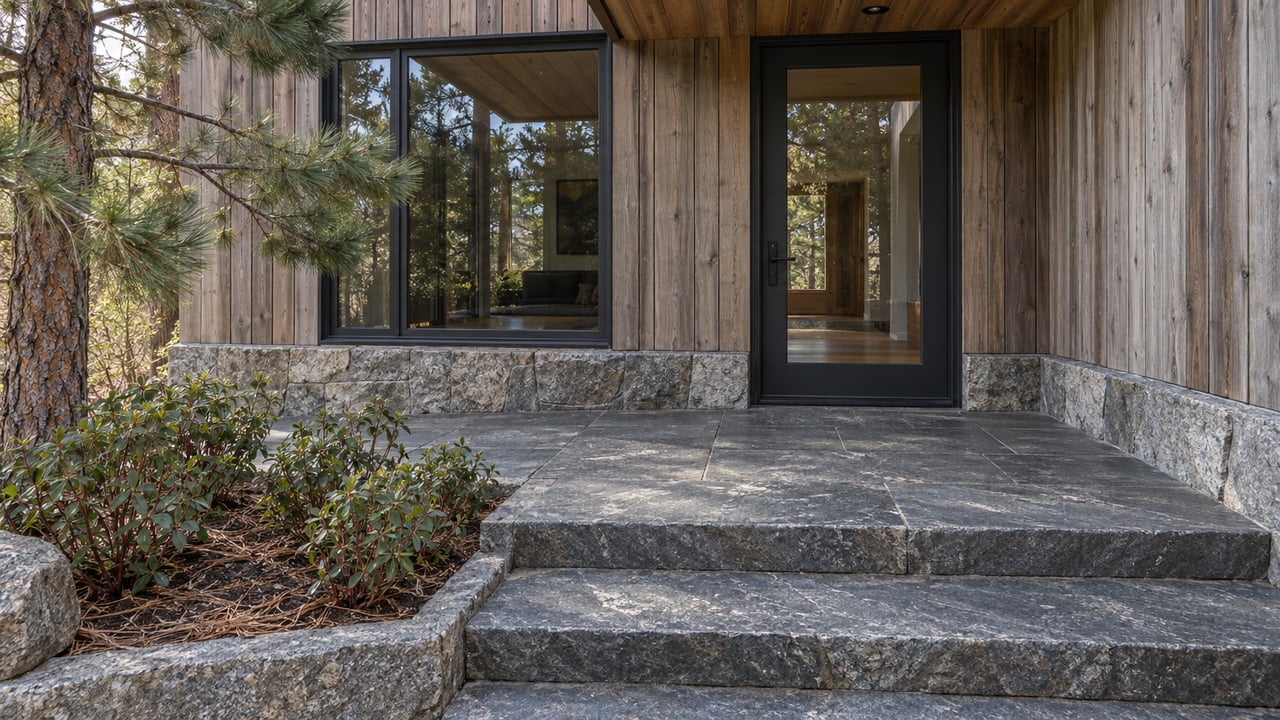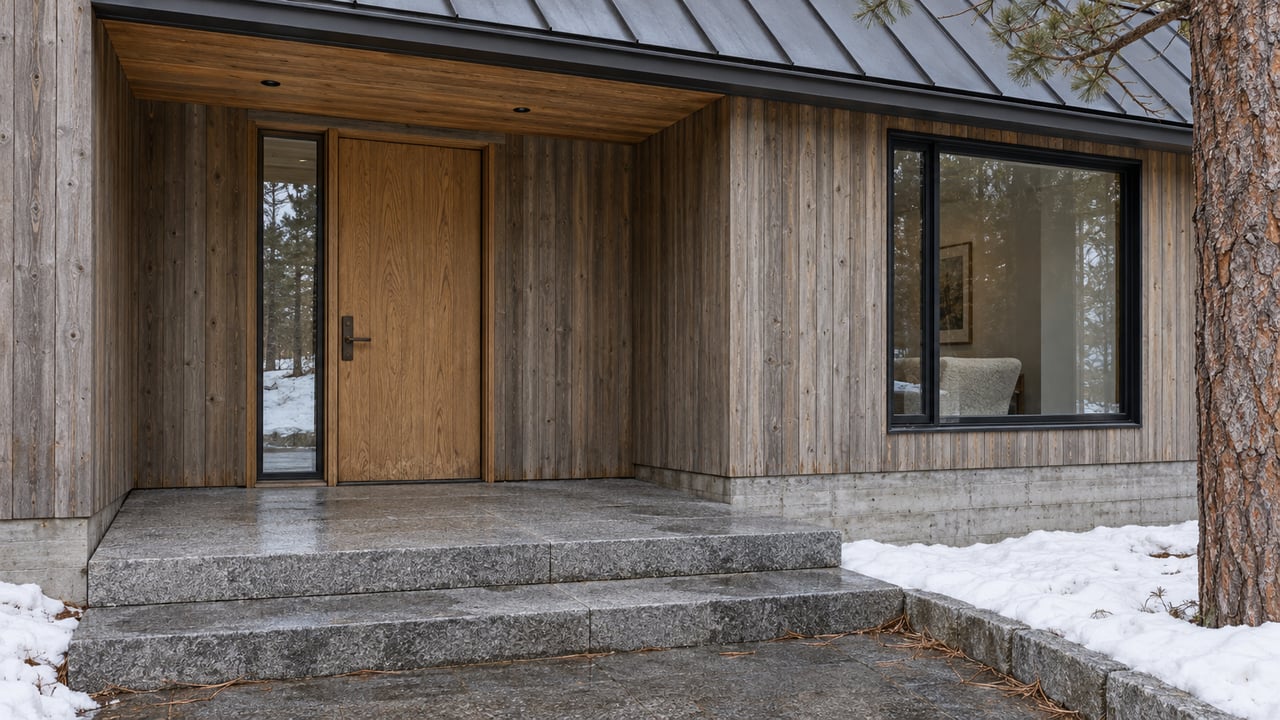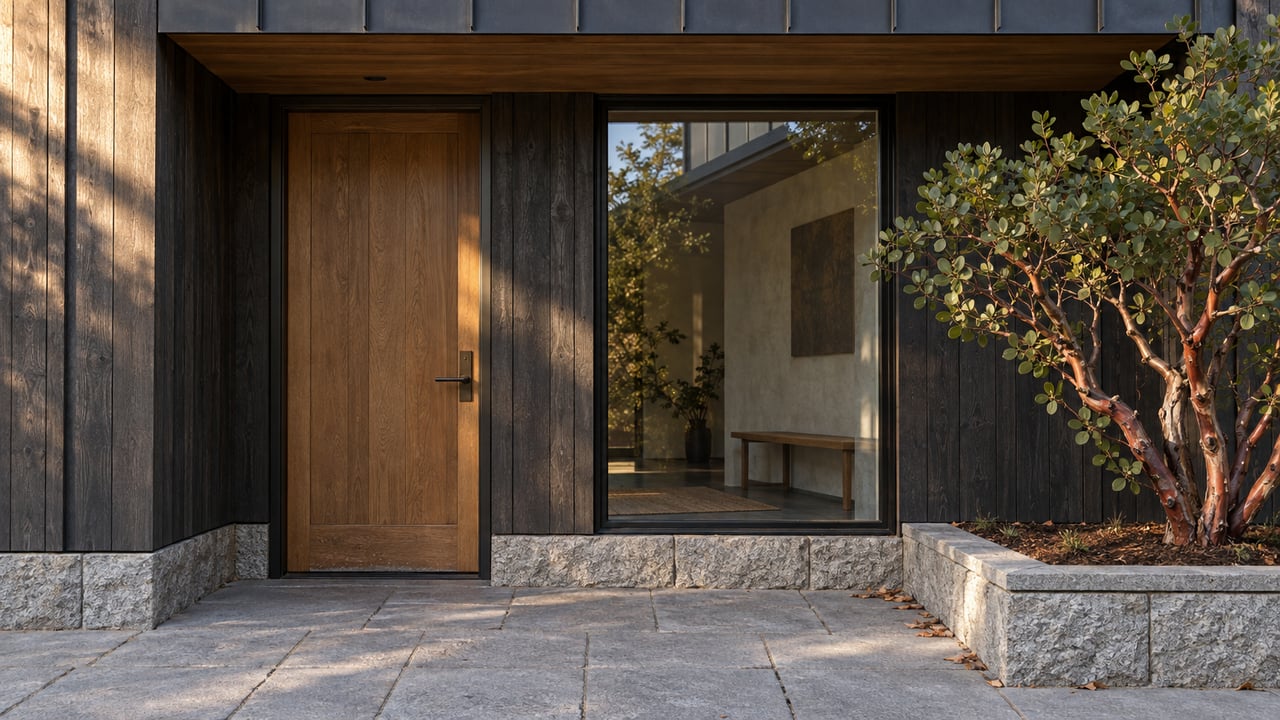
If you are thinking about a second home in Tahoe City, the purchase is only part of the decision. The bigger question is how the home will function when you are not there, especially in a mountain setting with long snow season, wildfire planning, and local rental rules to consider. With the right plan, you can buy with more confidence, avoid surprises, and set the property up for smoother ownership from day one. Let’s dive in.
Start With Your Use Pattern
Before you focus on finishes, views, or layout, it helps to define how you will actually use the home. In Tahoe City, second-home ownership usually falls into one of three patterns: frequent weekend use, mostly seasonal use, or mixed personal use with occasional rental use.
That distinction matters because each pattern creates a different upkeep plan. A home you visit often may need simple between-visit checks, while a home that sits vacant for longer stretches needs stronger monitoring and faster vendor response. In Tahoe City, vacancy planning is part of the buying decision, not something to sort out later.
Frequent Weekend Use
If you expect to use the home regularly, your planning may center on reliable winter access, driveway clearing, heat checks, and routine monitoring between trips. Even with frequent visits, weather can change conditions quickly, so you still want a clear plan for snow service and property oversight.
Mostly Seasonal Use
If the home will sit empty for longer periods, your focus shifts toward stability and response time. You will want dependable help for snow removal, regular property checks, and quick attention if weather or maintenance issues come up while you are away.
Personal Use Plus Occasional Rental
If you want to use the home yourself and rent it at times, the planning becomes more layered. You are no longer just managing a second home. You are also stepping into local compliance, inspections, tax reporting, and contact requirements that need to be understood early.
Plan Around Tahoe City Winter Conditions
Tahoe City is not a market where you can treat weather as a minor detail. NOAA climate normals for the Tahoe City station show 179.0 inches of annual snowfall, with snowfall concentrated from late fall through spring.
That kind of snow affects how you access the property, how you maintain it, and how quickly someone can respond if an issue comes up. For many buyers, winter logistics should be reviewed with the same seriousness as price, condition, and location.
Check Road Type And Access
Placer County says it provides snow removal on county roadways outside incorporated cities, but not on state highways, and private roads are not county maintained. That means you should confirm what kind of road serves the property and who is responsible for keeping it passable.
If the home is on or accessed by a private road, that can directly affect your winter upkeep plan. You may need a separate arrangement for plowing or road access, and that is worth understanding before closing.
Confirm Your Parking And Driveway Plan
Placer County winter parking rules prohibit parking on roadway shoulders from November 1 through May 1 so plows can operate. For a second-home owner, this is more than a seasonal reminder. It affects guest parking, vendor access, and how you manage the property when snow is active.
A practical step is to confirm where vehicles can be parked during winter and how the driveway will be kept clear. If you expect to arrive late on a snowy weekend, or if service providers need access while you are away, this planning matters.
Build A Realistic Upkeep System
A Tahoe City second home runs best when upkeep is treated like an operating system, not a loose to-do list. The more time the property sits empty, the more important it becomes to line up dependable support in advance.
A strong owner plan often includes:
- A snow-removal vendor
- A property manager or local oversight contact
- Regular heat and alarm checks
- A fire-mitigation contractor or arborist if needed
- An insurance broker familiar with vacancy or rental use
This kind of network can make ownership feel far more manageable. It also helps you respond faster if weather, inspections, or seasonal maintenance issues arise.
Make Wildfire Readiness Part Of Ownership
In Tahoe City, wildfire planning belongs in your upkeep strategy from the start. North Tahoe Fire maintains a defensible-space program, offers curbside chipping, and provides education around evacuation preparedness.
North Tahoe Fire and CAL FIRE both emphasize that defensible space and home hardening work together. That means the goal is not just clearing vegetation. It also means paying attention to the parts of the house most vulnerable to embers and fire spread.
Focus On Key Home-Hardening Areas
Local hardening guidance highlights several areas that deserve attention over time, including:
- Roofs
- Vents
- Windows
- Decks
- Gutters
- Other ember-vulnerable exterior areas
For a second-home buyer, this is useful because it turns wildfire readiness into a practical checklist. You can evaluate not only how the home looks today, but also what maintenance or upgrades may be needed over time.
Check Before Tree Or Landscape Work
TRPA ties vegetation management to its permitting system, and Placer County’s Tahoe Planning Services works jointly with TRPA on Tahoe Basin permits. If you are thinking about tree work, landscape changes, additions, or shoreline-related improvements, it is wise to verify what review may apply before hiring a contractor.
That step can help you avoid delays and better understand the true scope of future ownership. It is especially important if your long-term plan includes improving the property after purchase.
Think About Trash And Wildlife Early
Trash storage is another part of low-stress second-home ownership in Tahoe City. Placer County says approved bear boxes are required above 5,000 feet for certain new construction and additions, and the county’s short-term rental program asks applicants to document bear box or dumpster access.
Even if you are not planning major construction, this is a good reminder that wildlife-proofing is part of everyday property function. If the goal is a home that stays orderly and low-impact while you are away, trash storage should be part of your early review.
If Renting Is Part Of The Plan, Verify It Early
Some buyers want a second home that also offers occasional rental income. That can work, but in Tahoe City you should verify the county framework before you get too far into assumptions.
Placer County defines short-term rentals as stays of 30 days or fewer. The county also says that a property may not be rented on a short-term basis without a valid short-term rental permit.
Understand The Basic County Requirements
To use a property as a short-term rental, Placer County says the owner must hold a Transient Occupancy Tax certificate. In North Lake Tahoe, the TOT rate is 10%.
The county also states that platforms such as Airbnb and VRBO do not have agreements to collect and remit TOT for Placer County properties. That means the owner or manager remains responsible for tax compliance.
Know The Inspection Requirements
The current county process requires:
- A passing interior Fire Life Safety inspection
- A passing exterior Defensible Space inspection
The county says the exterior report for new applicants must be current within the last year. It also states that both inspections are valid for three years, and a permit may be suspended if a passing inspection is not on file.
Plan For A Local Contact
Placer County also requires a local contact who can be reached 24 hours a day, lives within 35 driving miles of the unit, and has authority to manage the property. For many second-home buyers, this requirement alone shapes the kind of support team they need after closing.
If you live outside the area, it is smart to think about this before you write an offer. A rental plan is easier to evaluate when you already know how local response will be handled.
Be Aware Of Permit Limits
Placer County’s current ordinance includes a 3,900-permit cap framework, with different treatment for owner-occupied short-term rentals. The county also maintains a public portal showing permitted short-term rentals.
The practical takeaway is simple: a Tahoe City address does not automatically mean a home can be rented the way you expect. Parcel-level verification is important before the purchase is final.
Ask The Right Questions Before Closing
A second-home purchase in Tahoe City usually goes more smoothly when you evaluate the property through three lenses at once: how often you will use it, how it will be maintained when vacant, and whether any rental plan fits current county and fire-related rules.
As you narrow options, useful questions to ask include:
- What type of road serves the home, and who maintains it in winter?
- Is there a realistic driveway and parking plan for snow season?
- What kind of oversight will the home need when vacant?
- Are there fire-mitigation or home-hardening items to budget for?
- If rental use matters, what county requirements apply to this specific property?
- Will future tree work, landscaping, or improvements require county or TRPA review?
These questions help turn a lifestyle purchase into a well-structured ownership plan. That is often the difference between a second home that feels easy to manage and one that becomes more work than expected.
Why Local Guidance Matters
Tahoe City second-home buying is rarely just about finding the right house. It is also about understanding the systems around the house, including winter access, defensible space, local contacts, inspections, and any rental-related obligations.
That is where a local, detail-oriented approach can add real value. When you understand the property’s day-to-day operating reality before you buy, you are in a much better position to choose well and plan confidently.
If you are considering a second home in Tahoe City and want practical guidance on use patterns, upkeep planning, or rental-related questions, Wendy Poore, Realtor can help you evaluate options with steady local insight.
FAQs
What should you plan for when buying a second home in Tahoe City?
- You should plan for how often you will use the home, how it will be monitored when vacant, how winter access will work, and whether any rental goals fit current Placer County rules.
How much snowfall does Tahoe City typically get each year?
- NOAA 1991 to 2020 climate normals for the Tahoe City station show 179.0 inches of annual snowfall.
Who handles snow removal for roads in Tahoe City properties in unincorporated Placer County?
- Placer County says it removes snow on county roadways outside incorporated cities, but not on state highways, and private roads are not county maintained.
What are the winter parking rules for Tahoe City second homes?
- Placer County prohibits parking on roadway shoulders from November 1 through May 1 to keep snowplows moving.
What wildfire upkeep should second-home owners in Tahoe City consider?
- You should consider defensible space, curbside chipping options through North Tahoe Fire, evacuation preparedness, and home-hardening attention to roofs, vents, windows, decks, gutters, and other ember-vulnerable areas.
Can you use a Tahoe City second home as a short-term rental?
- You may be able to, but Placer County says short-term rentals require a valid permit, a TOT certificate, required inspections, and a qualified local contact, so property-specific verification is important.
What is the short-term rental tax rate in North Lake Tahoe, Placer County?
- Placer County says the Transient Occupancy Tax rate in North Lake Tahoe is 10%.
What local agencies matter for Tahoe City second-home planning?
- Placer County is important for land-use and short-term rental questions, North Tahoe Fire is important for defensible-space issues, and TRPA may be relevant for vegetation management, shoreline matters, and some property improvements.