Selling in Incline Village or Crystal Bay is different from selling in a fast-moving, entry-level market. Buyers here are often taking their time, comparing views, condition, outdoor spaces, and overall lifestyle fit before they act. If you want your home to stand out, the goal is usually not a major overhaul. It is smart, focused preparation that removes objections and helps buyers connect with the property from the first photo to the final showing. Let’s dive in.
Understand the local selling environment
Incline Village and Crystal Bay are high-value markets, but they can also move slowly. Recent Redfin data shows Incline Village with a median sale price around $1.73 million and median days on market near 187 days, while Crystal Bay’s March 2026 snapshot showed only two homes sold, a median sale price around $14.35 million, and roughly 248 days on market, according to Redfin market data for Incline Village.
That kind of market usually rewards thoughtful presentation over expensive remodeling. In other words, buyers are often willing to wait for the right home, so your preparation strategy should focus on making the home feel well cared for, visually clean, and easy to say yes to.
Time your prep around Tahoe seasons
Lake Tahoe has four distinct seasons, about 300 sunny days per year, and most snowfall arrives from December through March, according to the official Lake Tahoe weather overview. That matters because your home may show very differently in snow season than it does in summer.
A spring or summer listing can highlight decks, patios, lake access, and outdoor living. A winter listing can still work, but the home needs to feel warm, accessible, and easy to experience even if weather conditions are less forgiving. Nationally, spring tends to be the busiest season, summer stays active, and winter can bring less competition, according to the National Association of Realtors seasonal housing perspective.
If you are planning exterior work, timing matters even more. The Tahoe Regional Planning Agency inspection guidance notes that the Lake Tahoe Basin grading season runs from May 1 through October 15, and soil-disturbing work is restricted outside that window. If you want to complete drainage, hardscape, or landscape work before listing, it is wise to start early.
Focus first on exterior presentation
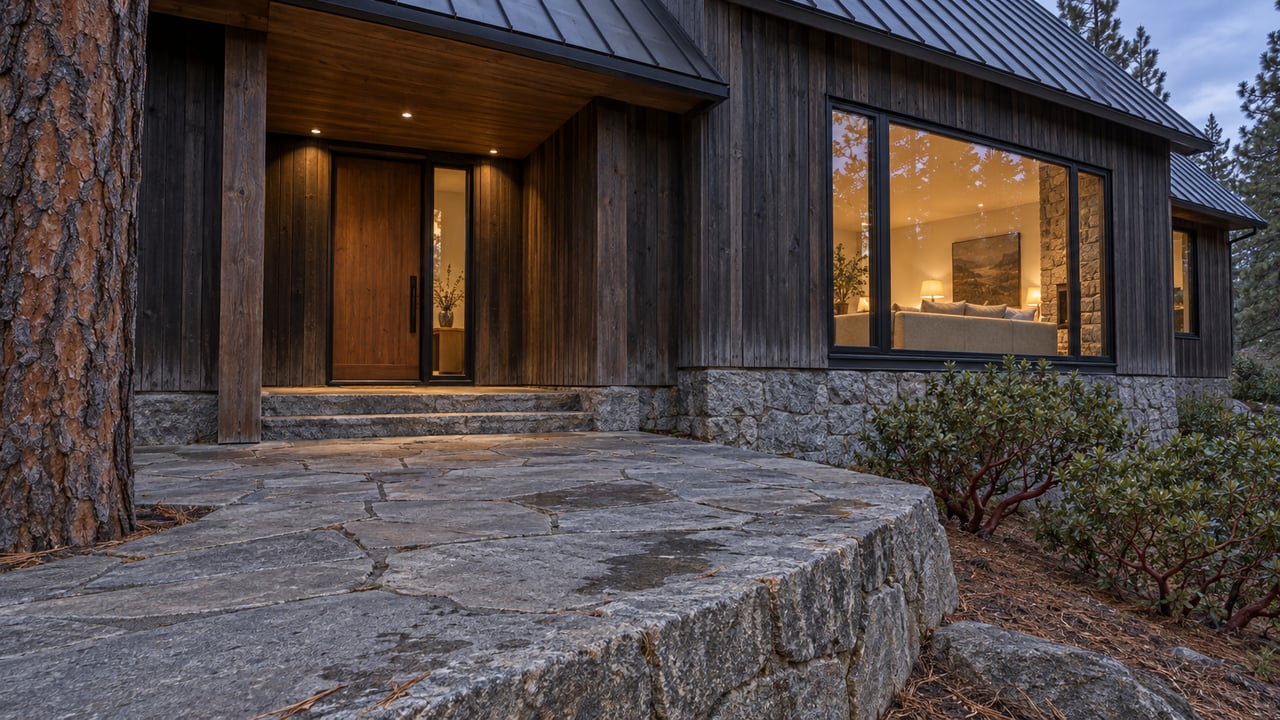
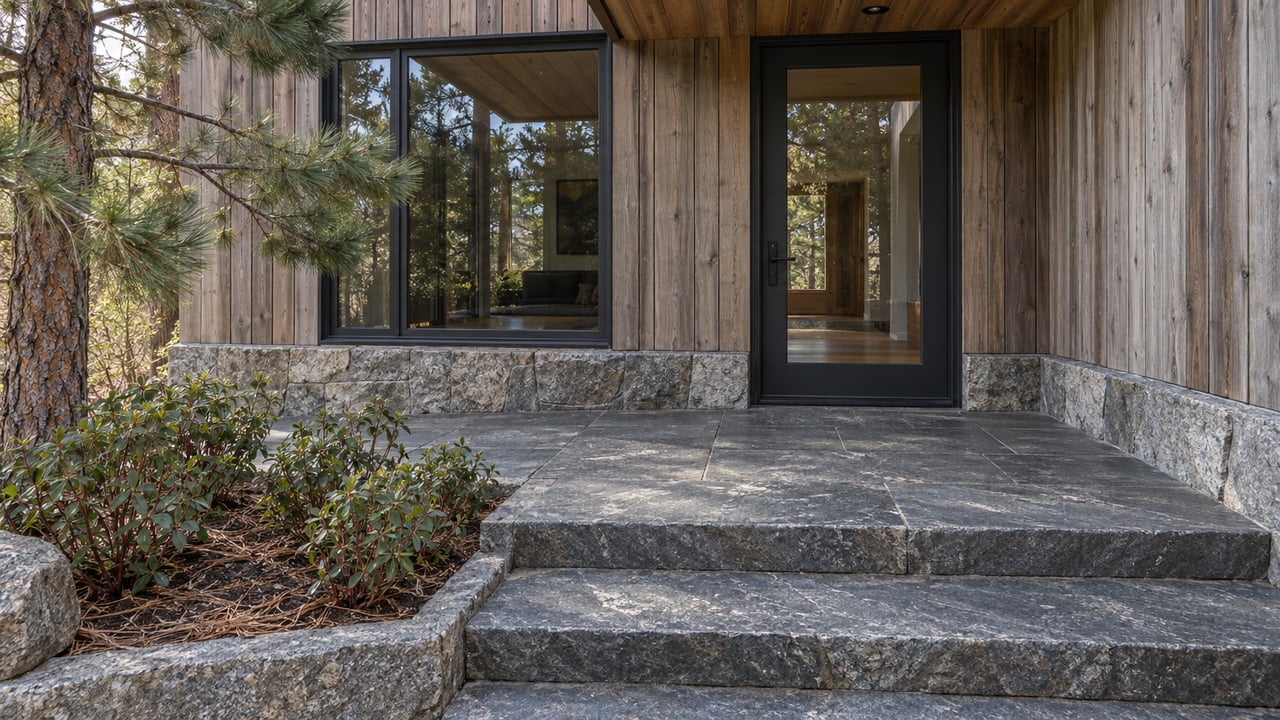
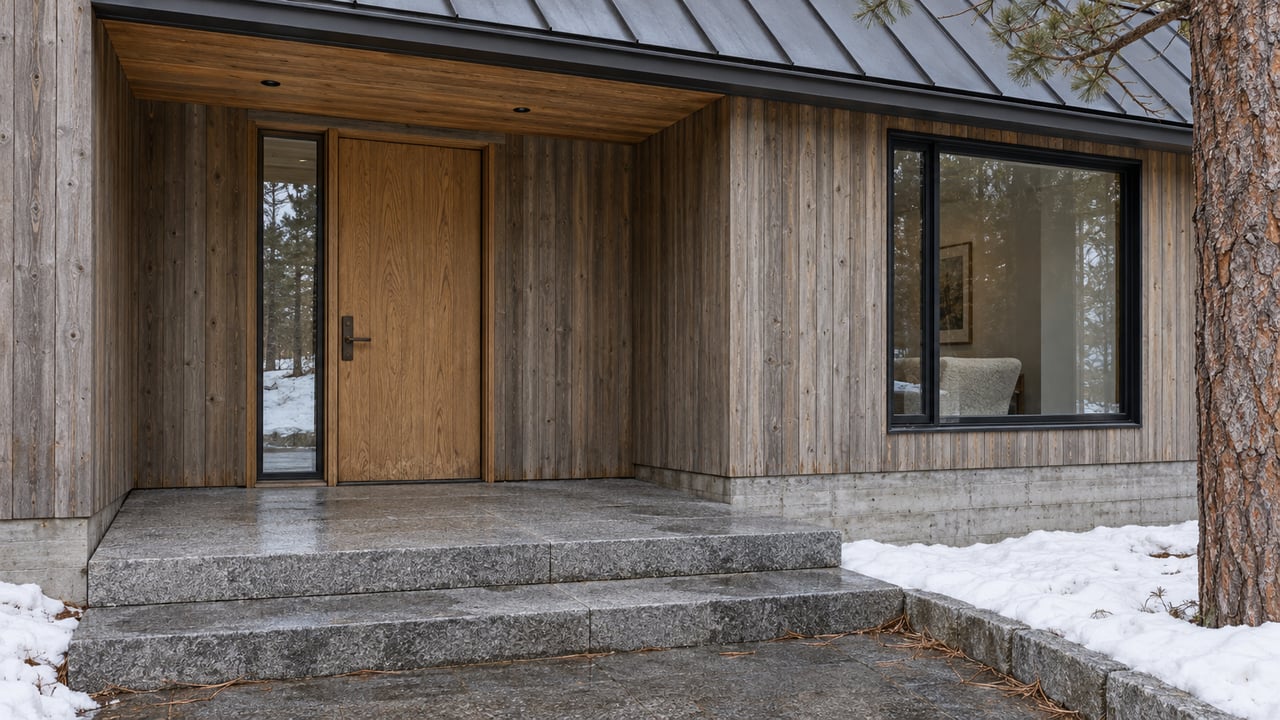
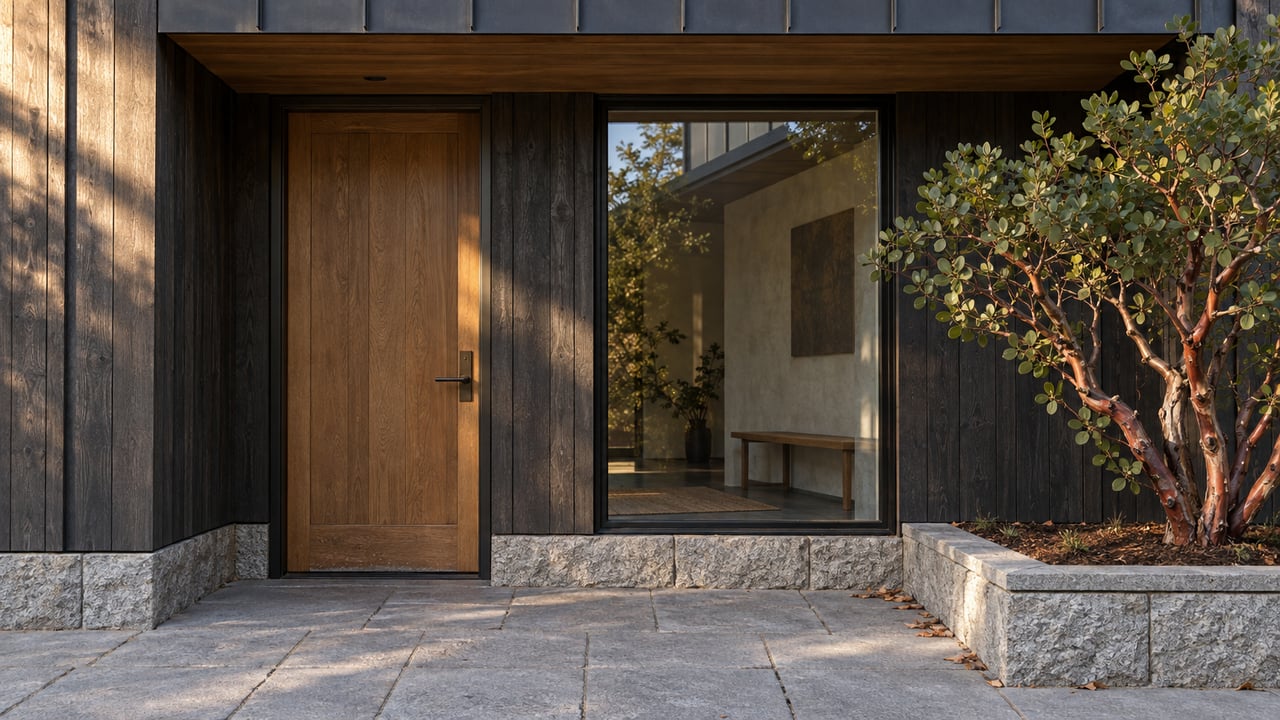
In Incline Village and Crystal Bay, the outside of the home is not just curb appeal. It is part of the actual product. Buyers are paying attention to the entry, the approach, the deck, the patio, the window sightlines, and how the property feels before they walk through the front door.
The NAR Remodeling Impact Report for outdoor features found that 92% of REALTORS® recommend improving curb appeal before listing, and 97% say curb appeal is important to attracting a buyer. In a Tahoe market, that guidance is especially relevant.
Exterior tasks worth doing
Start with the basics that create an immediate sense of care:
- Clear winter debris from walkways, decks, and landscaping
- Wash windows and siding
- Touch up worn paint or stained areas
- Repair loose railings, pavers, or exterior trim
- Refresh outdoor furniture and staging pieces
- Make view-facing spaces feel open, clean, and intentional
These updates help both in-person showings and online marketing. The NAR staging report shows that buyers' agents place strong importance on photos, staging, videos, and virtual tours, so your exterior should be ready for the camera, not just the showing.
Treat views like a selling feature
In this part of Tahoe, the view is often one of the biggest drivers of value. That means sellers should think carefully about what buyers see from the living room, primary bedroom, dining area, and outdoor spaces.
At the same time, view work should be handled carefully. The TRPA scenic protection program explains that scenic quality can be affected by vegetation removal, blocked views, and topography changes, and scenic standards may apply to properties visible from shoreline corridors, roadways, and recreation areas. A view-improvement project is not always as simple as trimming trees or clearing vegetation.
Before you change landscaping
Keep this in mind before starting major outdoor work:
- Do not assume tree removal is purely cosmetic
- Avoid aggressive clearing for the sake of photos
- Verify whether your project needs review before work begins
- Aim for a polished, natural look instead of a stripped-down lot
This is one of those areas where measured planning matters. A clean property with preserved natural character usually shows better than one that looks overcut or unfinished.
Make defensible space look intentional
Fire-smart cleanup is part of property preparation in the Tahoe Basin. Washoe County wildfire guidance explains that parts of the county, including the Forest Planning Area, are subject to added standards for wildland fire protection, and defensible space is the buffer between your home and surrounding vegetation. TRPA guidance on trees and defensible space also emphasizes its importance.
For sellers, this is not just a safety topic. It also affects presentation. Buyers tend to respond well when the landscape looks open, maintained, and tidy, but still natural. The goal is balance, not over-clearing.
Keep interior updates simple and strategic
One of the most common seller questions is whether a major remodel is worth it before listing. In most cases, the better answer is no, unless the home has a clear condition issue that buyers will notice right away.
The strongest pre-listing recommendations in the 2025 NARI Remodeling Impact Report are practical improvements like painting, roofing, and front-door upgrades. For Tahoe sellers, that often means your money is better spent on fresh paint, visible repairs, and finish updates than on a large discretionary remodel.
Interior priorities that usually pay off
Focus on the changes that help buyers see the home clearly:
- Declutter every room
- Deep-clean the entire home
- Remove excess or oversized furniture
- Store personal items and highly specific decor
- Use calm, neutral colors where paint is needed
- Update dated lighting, carpeting, or heavy window coverings if they stand out
According to the NAR 2025 home staging report, 91% of sellers are advised to declutter, 88% are advised to clean the entire home, and 77% are advised to improve curb appeal. That gives you a good roadmap if you want to keep your preparation practical.
Stage the rooms buyers notice most
Staging works because it helps buyers picture how they would use the space. In the same NAR staging report, 83% of buyers' agents said staging makes it easier for buyers to envision the home as their future property, and 29% said staged homes saw a 1% to 10% increase in dollar value offered.
The rooms most commonly staged were the living room, primary bedroom, dining room, and kitchen. That is useful because it shows where your effort matters most.
Start with these spaces
If you are staging selectively, begin here:
- Living room: Open up furniture placement and emphasize natural light and views.
- Primary bedroom: Keep it calm, simple, and spacious.
- Kitchen: Clear counters and reduce small appliances or visual clutter.
- Dining area: Help buyers understand how the home lives day to day.
In a market like Incline Village or Crystal Bay, staging should support the home’s architecture, light, and scenery. It should not compete with them.
Prepare for photography early
In luxury and second-home markets, the first showing often happens online. Buyers may decide whether to book a visit based on how the home looks in photos and video, especially if they are shopping from outside the immediate area.
NAR reports that buyers' agents rate photos, physical staging, videos, and virtual tours as highly important marketing tools, while sellers' agents also put strong emphasis on photos and video. That means your prep plan should include more than tidying up. It should consider camera angles, window glare, deck setup, and what each room communicates visually.
Media prep checklist
Before photography day, make sure you:
- Clean all windows and glass doors
- Open sightlines to lake or forest views where possible
- Remove extra countertop items and cords
- Set outdoor furniture neatly
- Replace burned-out bulbs
- Put away seasonal gear, pet items, and personal collections
A strong media package can make a meaningful difference in a market where buyers often compare homes carefully over time.
Check permit issues before starting projects
If your pre-listing work goes beyond basic cleaning and cosmetic touch-ups, it is smart to verify whether approvals are needed. The TRPA applications and forms page states that many activities in the Lake Tahoe Region require both TRPA environmental review and a separate local building permit, while some minor residential landscaping or gardening work may be exempt.
Tree work deserves especially close attention. According to TRPA tree and defensible space rules, removing live trees over 14 inches DBH generally requires a permit, and for lakeshore homes, trees over 6 inches DBH between the house and the lake may require one as well. Significant trimming can also require approval.
This is why a light-but-thorough approach usually works best. Handle the visible maintenance, improve the presentation, and avoid project creep unless you have already confirmed the review path.
What to do if time is short
If you only have a few weeks to prepare, keep the list tight. The most effective path is usually the one that makes the home cleaner, brighter, and easier to understand without creating delays.
Your short-listing prep plan
- Declutter first
- Deep-clean next
- Fix obvious defects buyers will notice
- Freshen paint where needed
- Clean up the yard and entry
- Stage the living room and primary bedroom
- Get the home fully ready before photos are taken
This approach lines up closely with national staging and remodeling guidance while fitting the realities of the Incline Village and Crystal Bay market. It keeps your budget focused on the areas buyers see first and remember most.
Selling a Tahoe property is rarely about doing everything. It is about doing the right things in the right order, with local conditions and buyer expectations in mind. If you want practical guidance on preparing your Incline Village or Crystal Bay home for market, connect with Wendy Poore, Realtor for a calm, detail-focused strategy tailored to your property.
FAQs
What should I fix before selling a home in Incline Village or Crystal Bay?
- Start with visible, buyer-facing issues such as clutter, cleaning, worn paint, damaged railings, broken lights, dated finishes, and untidy outdoor areas.
Is it worth remodeling a home before selling in Incline Village or Crystal Bay?
- Usually, a major remodel is not the first move unless the home has a clear condition problem. Practical updates like paint, repairs, and staging are often the better use of time and money.
When is the best time to list a home in Incline Village or Crystal Bay?
- The best timing depends on the property’s strongest features. Some homes shine in summer for outdoor living, while others show well in winter if they offer strong snow-season appeal and excellent interior presentation.
Do I need a permit to trim trees before selling a Tahoe-area home?
- Possibly. In the Tahoe Basin, certain tree removal and major trimming work may require TRPA approval, so it is important to verify the rules before starting.
How important are views and outdoor spaces when selling in Crystal Bay or Incline Village?
- They are very important. In this market, decks, patios, entry approach, and sightlines from major rooms often play a major role in both photography and buyer interest.